
THIMPH, November 20 — In a move aimed at deepening the country’s journalistic engagement with Bhutan’s rapidly evolving environmental landscape, the Journalists’ Association of Bhutan (JAB) has announced nine recipients of the climate change and environment reporting grants under the project “Building the Capacity of Bhutanese Journalists for Climate Change and Environment Reporting.”
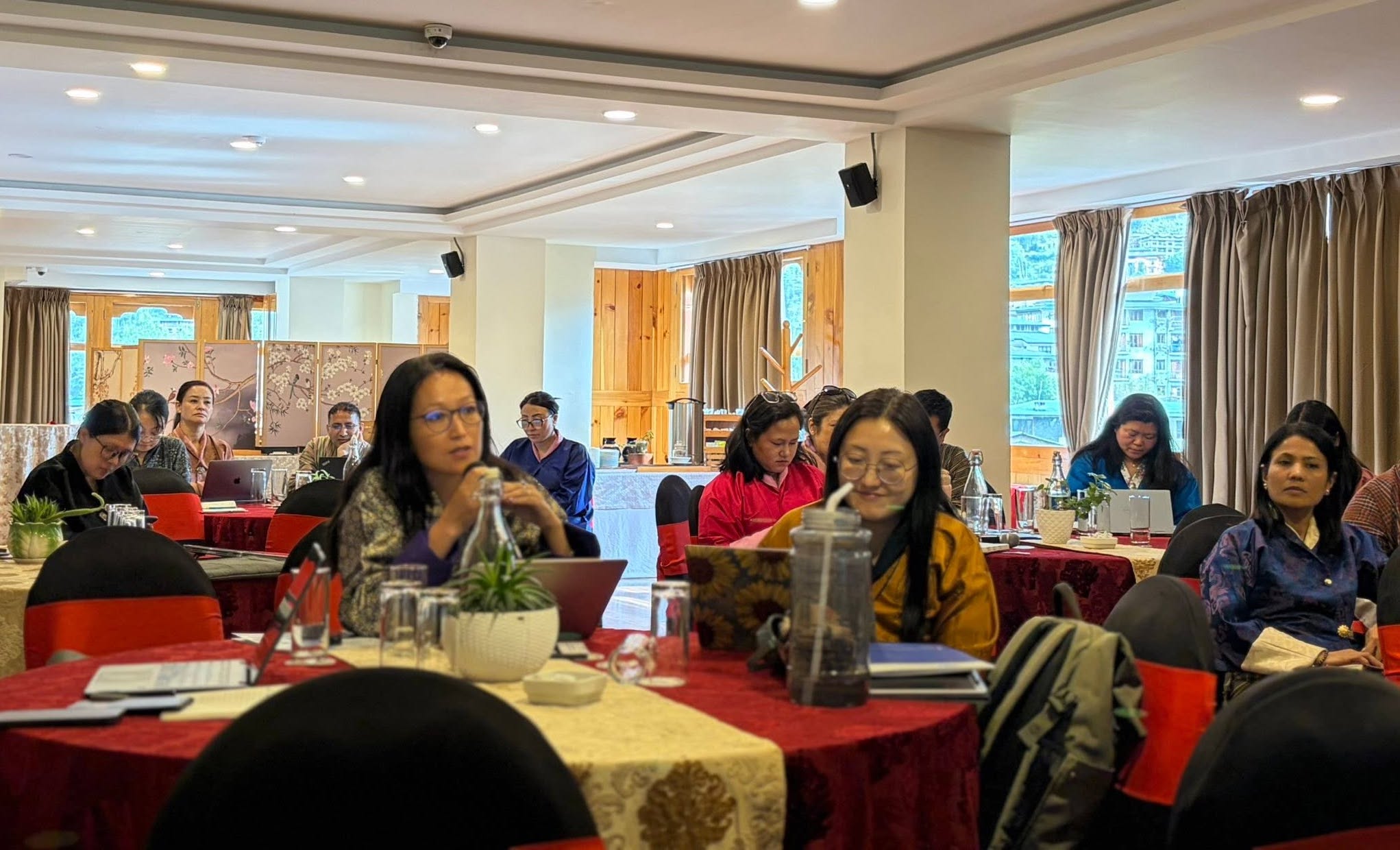
The grants follow an intensive three-day training held from September 29 to October 1 in Haa, where journalists explored the science of climate change, the complexities of environmental governance, and the human stories often overshadowed in policy debates. The workshop—marked by field visits and late-evening reflections in Haa’s cooling autumn winds—aimed to strengthen reporters’ ability to translate data and environmental realities into compelling, context-rich narratives.
According to JAB’s Programme and Communications Officer, the selection of grantees followed a careful and competitive review process. The nine journalists will now embark on in-depth reporting projects across the country, examining issues ranging from vanishing water sources and climate-driven agricultural changes to community resilience, biodiversity threats, and environmental policy impacts.
The grants, JAB noted, are intended to promote stronger, more informed journalism at a time when climate change is reshaping landscapes and livelihoods with increasing urgency. By supporting dedicated reporting, the project seeks to enhance public understanding and ensure environmental challenges are covered with accuracy, nuance, and responsibility.
“These stories matter because they reflect what people in the villages already feel in their bones,” one trainer remarked during the Haa sessions—a sentiment that aligns with the project’s broader ambition to ground national conversations in lived experiences.
Of the 25 journalists who participated in the training in Haa, 15 (11 from print and four from digital media) submitted story pitches for the reporting grant. The selected grantees will now carry forward the task of telling Bhutan’s climate stories with clarity, depth, and purpose.
Some will travel to some of Bhutan’s furthest and most remote highland communities, including Merak and Sakteng, Radi in Trashigang, Samdrupcholing in Samdrupjongkhar, Tsirang, Phobjikha in Wangduephodrang, Tamangdara in Samtse, Talo in Punakha, and Baeyul Kunzang in Chukha.
Funded by the Australian Government and implemented by ABC International Development through JAB, the initiative underscores a growing recognition that quality journalism is essential as Bhutan navigates critical environmental crossroads.








Leave a Reply