
During a media literacy and RTI awareness session, students discussed how reliable information contributes to education, transparency, and public understanding
Phuentsholing — For many students at the College of Science and Technology (CST) in Rinchending, access to information is not only essential for academic learning but also fundamental to strengthening democracy and public trust in institutions.
Students who attended a recent media literacy and Right to Information (RTI) awareness session shared how access to reliable information supports their studies, enhances critical thinking, and empowers citizens to participate meaningfully in society.
Rinchen Dema, councillor and a fourth-year engineering geology student, said access to information plays a crucial role in academic work and research.
“During our academic work, we need a lot of information. When information is accessible and reliable, it helps build trust between those who provide it and those who receive it,” she said.
Tashi Chozom, a fourth-year instrumentation and control engineering student, emphasised that research and learning depend on reliable data.
“Without proper statistics or information, research cannot move forward. It limits new discoveries and developments,” she said.
For Palden Tshering, a fourth-year engineering geology student, access to information goes beyond academic convenience.
“Textbooks alone are often not enough to understand complex topics. Online videos and even artificial intelligence tools help us understand difficult subjects more clearly,” he said.
Sherab Tharchen Wangchuk, a fourth-year civil engineering student, added that access to information also helps students stay aware of national and global developments.
“Information allows us to look beyond the classroom and understand what is happening in society,” he said.
The value of RTI
The discussion also encouraged students to reflect on the broader importance of the Right to Information in a democratic society.
Several students expressed strong support for an RTI law, noting that it could promote transparency, accountability, and responsible governance.
Sherab Tharchen Wangchuk said the Right to Information could help reduce corruption by ensuring government decisions and the use of public resources remain open to public scrutiny.
Fourth-year electrical engineering student Sonam Yuden shared a similar perspective.
“When citizens can ask questions about government decisions or spending, officials become more careful and transparent in their work,” she said.
Palden Tshering described the Right to Information as a fundamental right that empowers citizens.
“RTI allows citizens to access records and decisions held by public institutions. This helps people participate in policymaking and hold leaders accountable,” he said.
Tashi Chozom added that in a democratic system where power rests with the people, citizens must have access to information to make informed decisions.
For Rinchen Dema, the principle behind RTI is straightforward.
“Citizens should be able to request information that matters to them. The relationship between the government and the people should work hand in hand without secrecy that could create misunderstandings,” she said.
Media literacy session raises awareness
Students said the media literacy and RTI awareness session helped them better understand how access to information contributes to transparency and public trust.
Rinchen Dema said the programme highlighted how lack of information can lead to mistrust between institutions and the public.
“If information is limited, people may feel that organisations are working behind the curtain. That can lead to doubts about how resources are used,” she said.
Tashi Chozom said the session helped her realise that RTI is important not only for journalists but also for ordinary citizens.
“Before today, I thought RTI mainly concerned journalists. But it is important for citizens too. People should be able to access information about how public resources are used,” she said.
Namgay Tashi Yoezer, a multimedia counsellor, said the session helped participants better understand the value of transparency.
“The session helped me understand how important access to information is for every citizen. It promotes transparency and keeps people informed,” he said.
Civil engineering student Palden Samdrup said the programme provided valuable insights into how RTI strengthens democratic governance.
“Through RTI, citizens can receive important information about decisions that affect communities. This helps people make informed choices,” he said.
Background
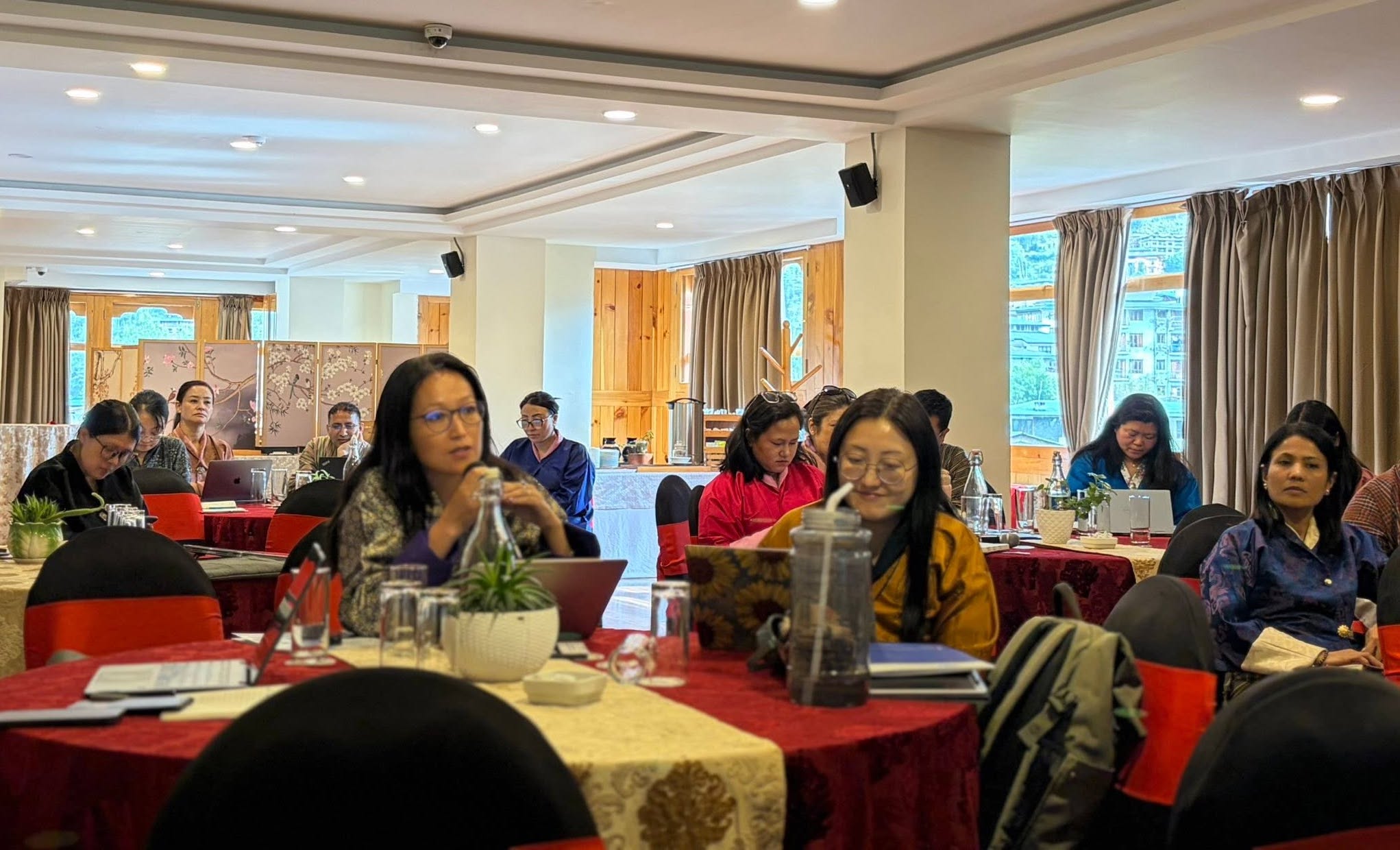
The media literacy and Right to Information awareness programme was held on March 5 at the College of Science and Technology in Rinchending.
The session was organised following recommendations from four focus group discussions involving media professionals, civil society organisations, government representatives, and Members of Parliament.
The consultations were conducted as part of the Digital Democracy Initiative (DDI) for South Asia Project, implemented by Accountability Lab in partnership with the Journalists’ Association of Bhutan.
A total of 96 students, including the CST president and three faculty members, participated in the programme.
The discussions reflected growing awareness among young people about the importance of transparency, accountability, and access to information in strengthening democratic governance.
As many participants emphasised, access to information is not only about convenience but about empowering citizens, encouraging participation, and building trust between institutions and the public.








Leave a Reply