
THIMPHU – The United Nations (UN) in Bhutan appears to be opening a space that many say has gradually narrowed—a space for conversation between institutions, the media and civil society.
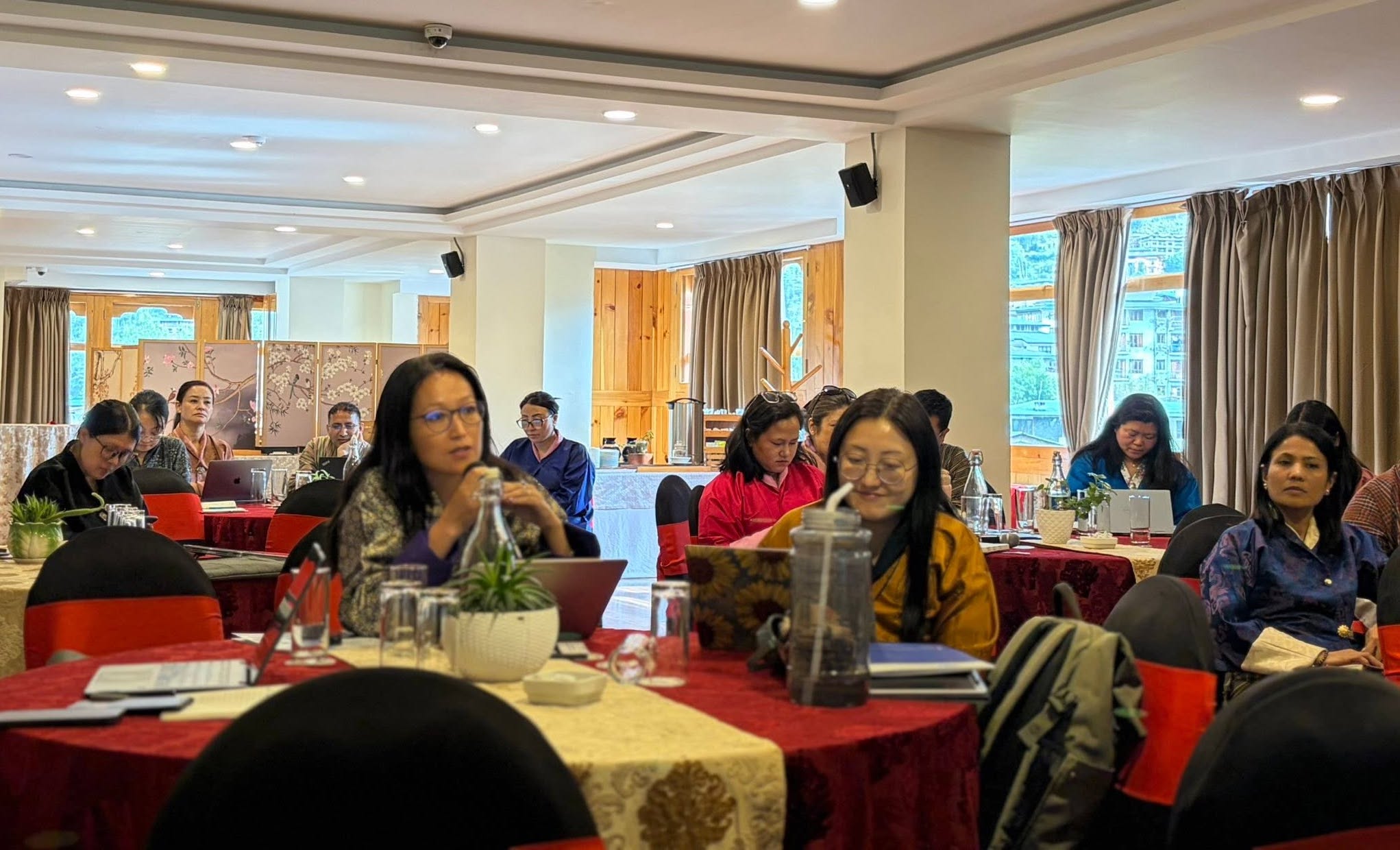
On July 1, the UN in Bhutan invited editors and senior journalists from both traditional and digital media to a UN–Media Editors’ Brunch Meeting, bringing together development practitioners and media professionals around the same table.
The discussion centred on how the UN and the media could work more closely to communicate Bhutan’s development priorities—from climate action and disability inclusion to youth, mental health, food and nutrition security, and disaster preparedness—through stories that are people-centred, evidence-based and meaningful to the public.
Participants also explored practical ways to deepen collaboration through thematic reporting, field visits, improved access to information and more regular dialogue between institutions and journalists.
Behind every development goal, participants agreed, is a human story worth telling.
For some journalists, the initiative reflected a gap that has become increasingly visible.
“It is encouraging to see this kind of engagement at a time when many agencies seem hesitant to interact with the media, often out of concern about possible repercussions,” one editor observed.
Another participant described the meeting as an opportunity to rebuild partnerships and strengthen coordination between media professionals and officials across different agencies.
“There is often uncertainty about how to engage with the media constructively,” the participant said, adding that regular interaction could help build mutual understanding and trust.
The observations echoed a broader sentiment that communication works best when it becomes part of development itself rather than an afterthought.
Consultation with CSOs
A few days earlier, on June 26, marking UN Charter Day, the UN Country Team convened civil society organisations from across Bhutan for a national dialogue on the principle of Leaving No One Behind (LNOB).
The consultation brought together representatives of persons with disabilities, youth, women, senior citizens, LGBTQ+ communities, people living with chronic health conditions and rural communities.
Participants shared experiences of the barriers that continue to prevent many people from benefiting equally from development.
Among the concerns raised were the uneven delivery of services in remote dzongkhags, funding mechanisms that sometimes pull organisations towards donor priorities instead of community needs, and the consequences of limited participation in national planning processes.
The consultation is expected to inform future UN programming, partnerships and advocacy while reinforcing the role of civil society as an essential partner in achieving the Sustainable Development Goals.
The dialogue was aligned with Bhutan’s 13th Five-Year Plan and Vision 2035, while supporting commitments under the UN Disability Inclusion Strategy, the UN Youth Scorecard, the UNCT-SWAP Gender Equality Scorecard and the Secretary-General’s Gender Equality Acceleration Plan.
UN Resident Coordinator Gaurav Ray said the principle of Leaving No One Behind requires more than aspiration.
“Leaving No One Behind is not a slogan, but a commitment to listen, to partner and to act,” he said.
Taken together, the two engagements signalled an approach that places dialogue at the centre of development—recognising that meaningful partnerships with both the media and civil society are essential to ensuring that policies are informed by lived realities and that development conversations remain connected to the people they are intended to serve.





Leave a Reply