
Thimphu – Ambassador of Australia to Bhutan, Philip Green, highlighted the critical role of independent journalism in safeguarding democracy and accountability, while reaffirming Australia’s continued support for media development and press freedom in Bhutan and the wider Indo-Pacific region.
Speaking at the 10th National Journalism Awards organised by the Journalists’ Association of Bhutan (JAB) on the occasion of World Press Freedom Day, Ambassador Green said journalism remains “the heartbeat of accountability” and a public good that societies must continue to protect amid growing global challenges.
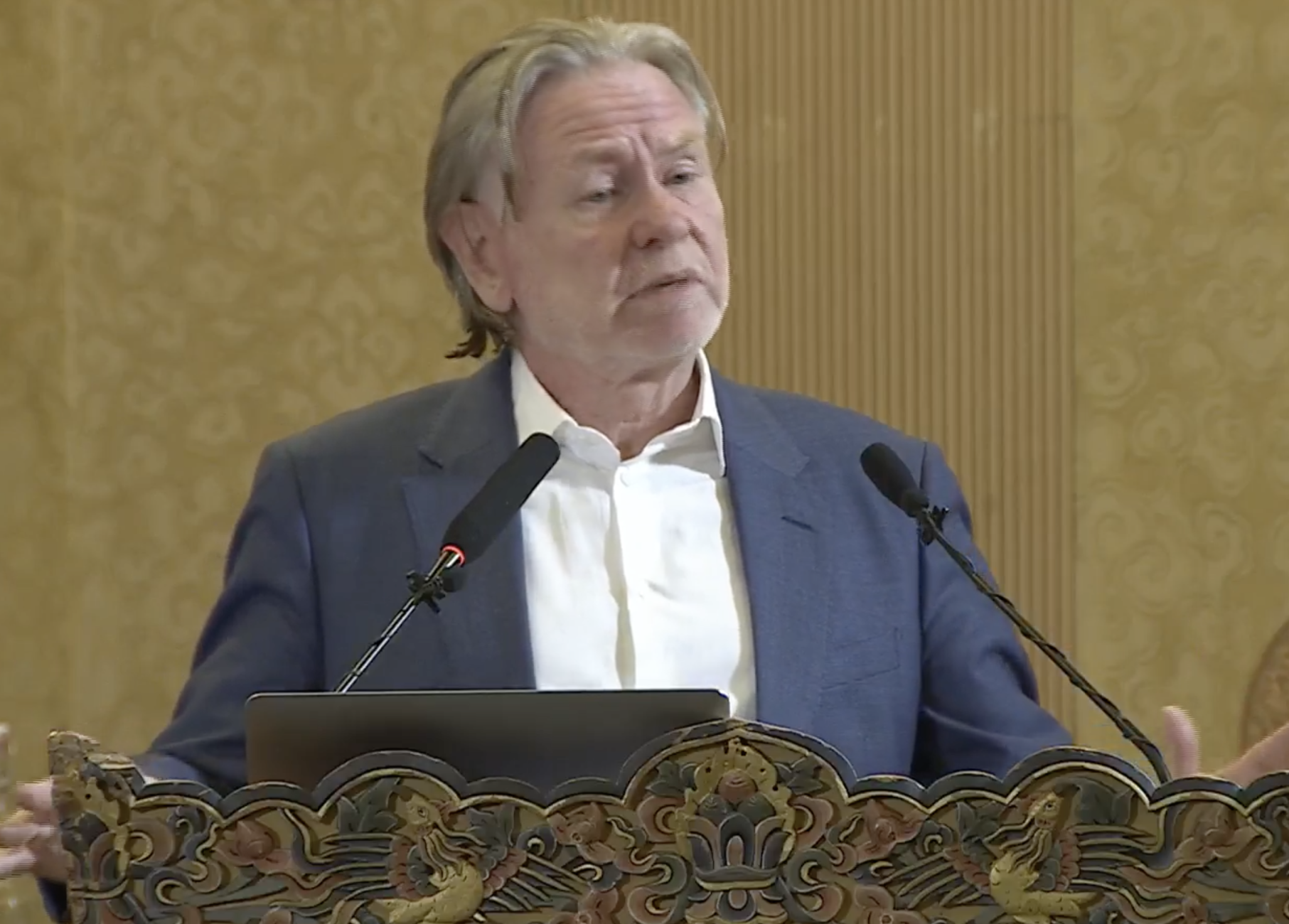
Addressing ministers, members of Parliament, politicians, journalists, members of CSOs, and guests attending the awards ceremony in Thimphu, the Ambassador said free press and freedom of expression are not self-sustaining and require “constant vigilance, robust institutions and a shared commitment across society to protect the truth.”
“Particularly at this moment of global history, journalism and free press need to be protected,” he said.
Ambassador Green also highlighted the long-standing friendship between Bhutan and Australia, emphasising education and media cooperation as important pillars of bilateral relations. He said Australia Awards scholarships have enabled many Bhutanese students to pursue higher education in Australia, strengthening people-to-people ties between the two countries.
The Ambassador said the Australian Government’s support to Bhutan’s media sector through the Regional Media Support Fund reflects a broader Indo-Pacific strategy aimed at promoting resilient, inclusive, and independent media across the region.
“Through this partnership, we are supporting field reporting and building the capacity of Bhutanese journalists,” he said.
Referring to the rapidly changing media landscape, Ambassador Green acknowledged the opportunities and challenges posed by digital transformation and Artificial Intelligence (AI). While AI can improve investigative journalism, fact-checking, and access to information, he warned that emerging technologies have also intensified misinformation, deep fakes, and manipulation of narratives.
“We live in a world where fake news has become a daily part of our routine, and we must fight back against the view that we now live in a post-truth society,” he said.
The Ambassador stressed that professional journalism anchored in accuracy, fairness, context, and accountability remains essential in the age of social media and citizen journalism.
He also drew attention to the safety of journalists worldwide, particularly those reporting from conflict zones, saying no journalist should face intimidation, threats, or harassment for carrying out their work.
“Protecting those who report the news is essential to protecting the news itself,” he said.
Ambassador Green congratulated the Journalists’ Association of Bhutan on organising the landmark 10th edition of the National Journalism Awards and paid tribute to Bhutanese journalists for their resilience and commitment to truth and public service.
JAB Executive Director Rinzin Wangchuk thanked the Government of Australia for its support in strengthening the capacity of Bhutanese journalists in climate change and environmental reporting.
“Through the initiative, we trained 50 journalists and supported 20 reporting grants. These stories brought national attention to critical issues such as climate change, water scarcity, biodiversity loss, and community resilience,” he said.
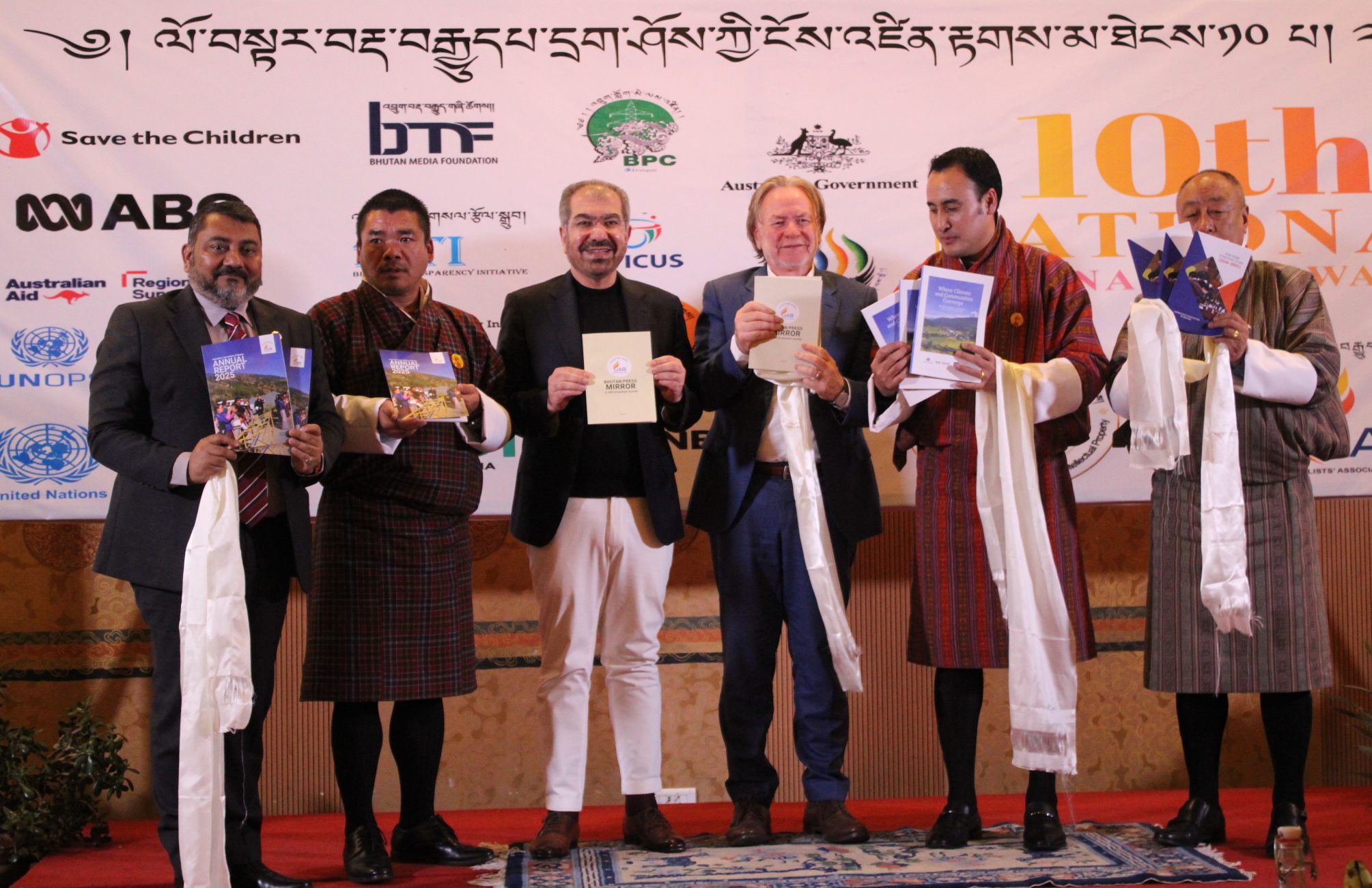
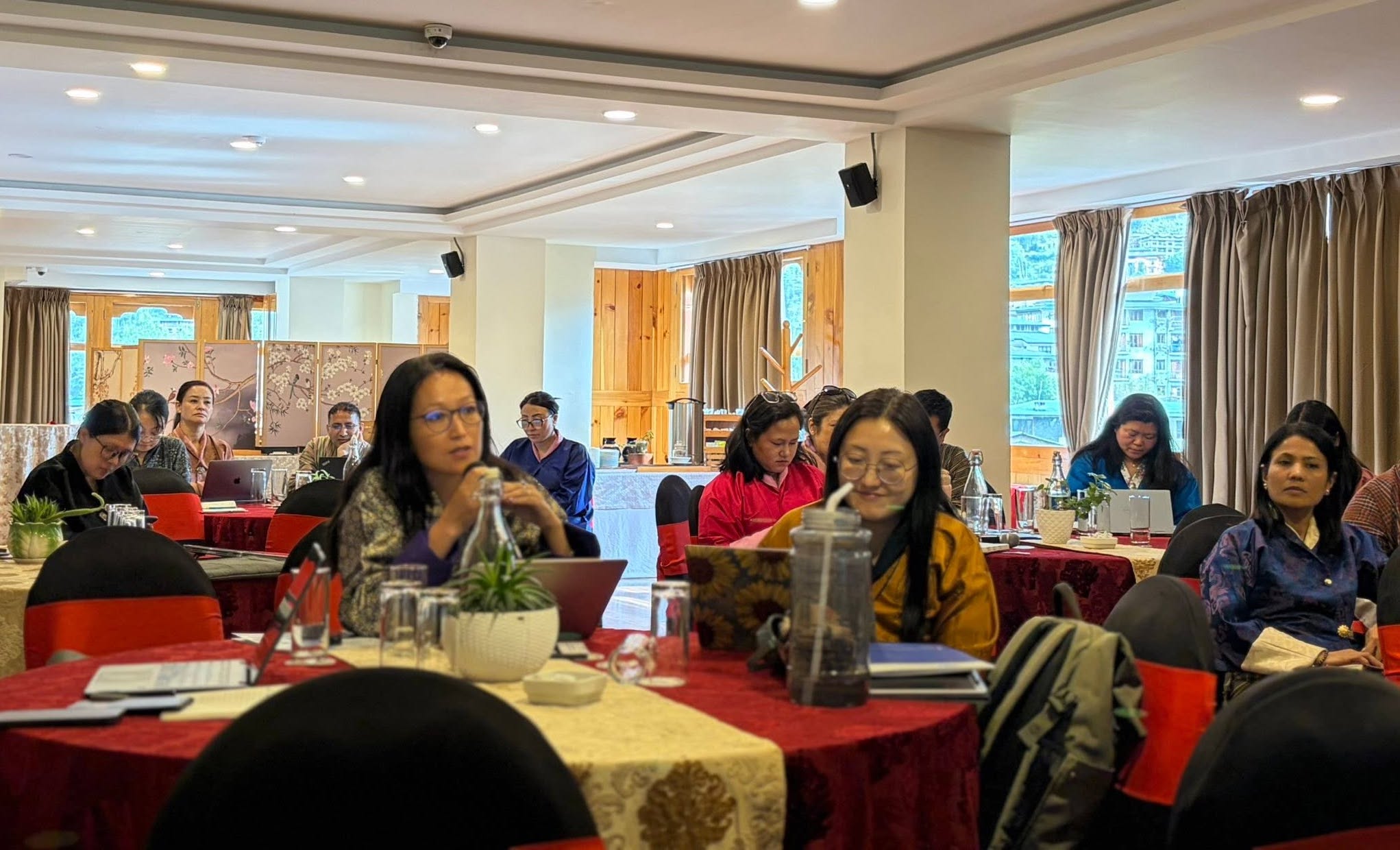
Rinzin Wangchuk said four outstanding stories from the climate change and environment reporting initiative were recognised during this year’s awards. The stories were selected by a panel of editors and experts who recently attended a seminar for grant winners.
He said the initiative remains an ongoing effort and expressed hope for continued support from the Australian Government to expand training opportunities for more journalists.
“We aim to train at least 50 more journalists and humbly seek continued support from the Government of Australia,” he said.
Responding to the request, Ambassador Green said he had taken note of the proposal and would ensure it is “properly thought through and conveyed back.”
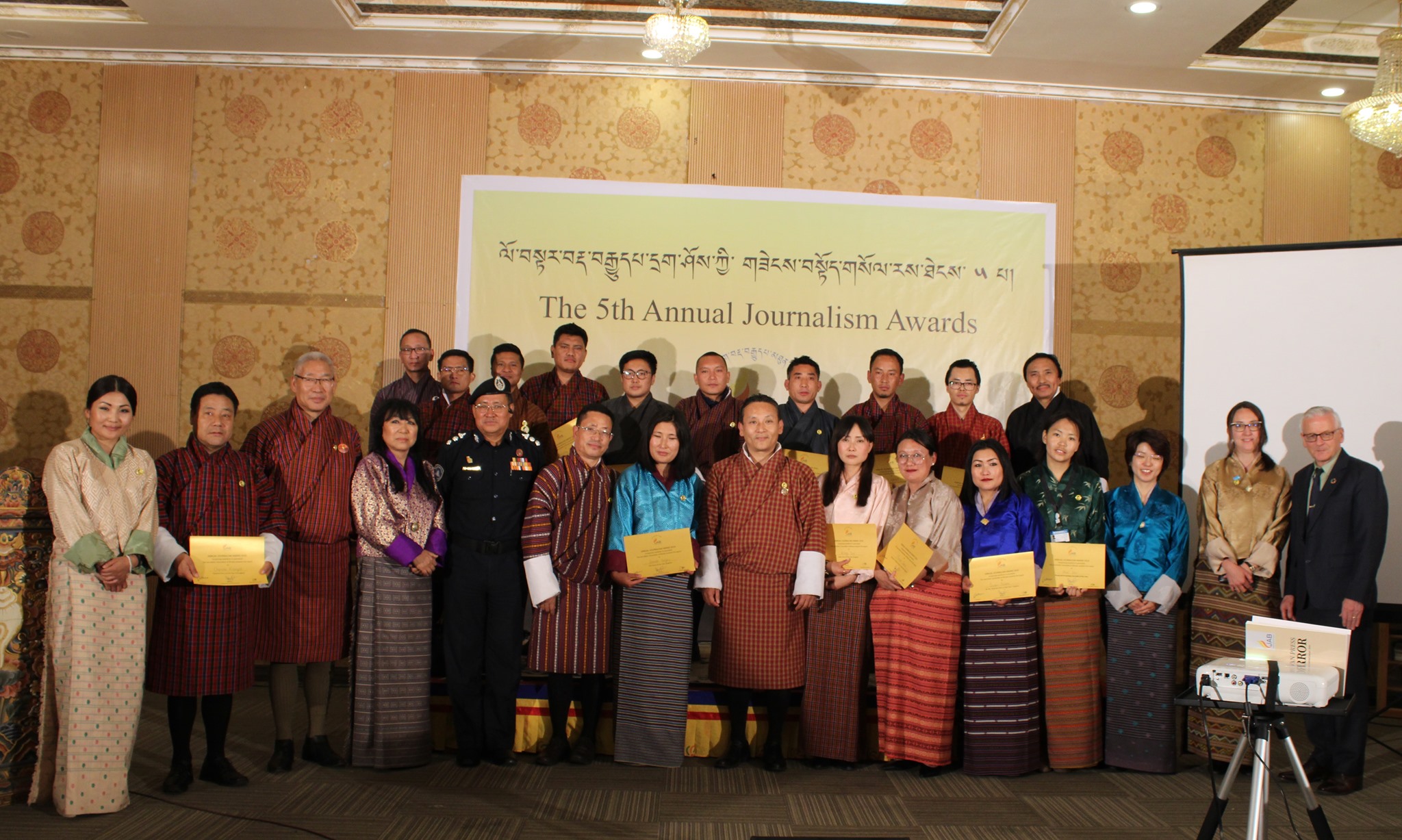
This year’s awards recognised 22 journalists with 28 awards for excellence in journalism and coincided with the global observance of World Press Freedom Day.








Leave a Reply