
Phuentsholing, August 15 — When the 21 civil society executives arrived for the first cohort of the Leadership Development Programme for CSO Executives (LDP-1) at the Royal Institute for Governance and Strategic Studies (RIGSS), many expected another leadership training.
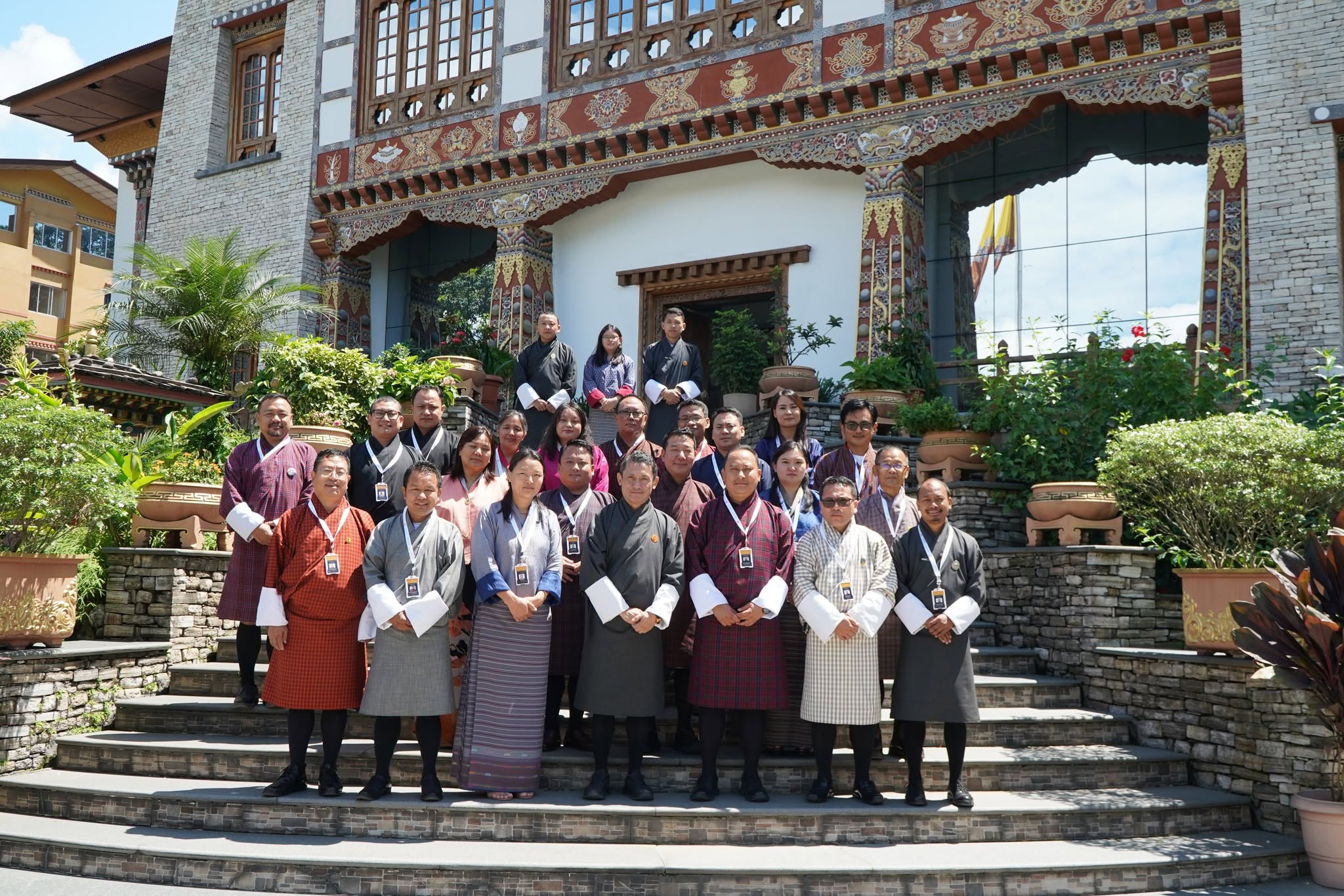
21 Executive Directors from 21 CSOs participated in the leadership development programme
Five days later, they left with something different—a renewed understanding of leadership, stronger connections with fellow civil society leaders, and ideas they said they could take back to their organisations.
“It was totally different and beyond our expectations,” one participant reflected at the closing of the programme.
The five-day programme, which concluded on August 14, was supported by the United Nations Development Programme (UNDP) in Bhutan in collaboration with the Civil Society Organisations Authority (CSOA). It brought together 21 CSO executives to strengthen leadership capabilities, build professional networks and develop a shared sense of purpose around strengthening their organisations.
The closing and certificate award ceremony was graced by Sherub Dorji, Member Secretary of CSOA.
More than a leadership course
The programme began on August 9 with an orientation session and went beyond conventional leadership training.
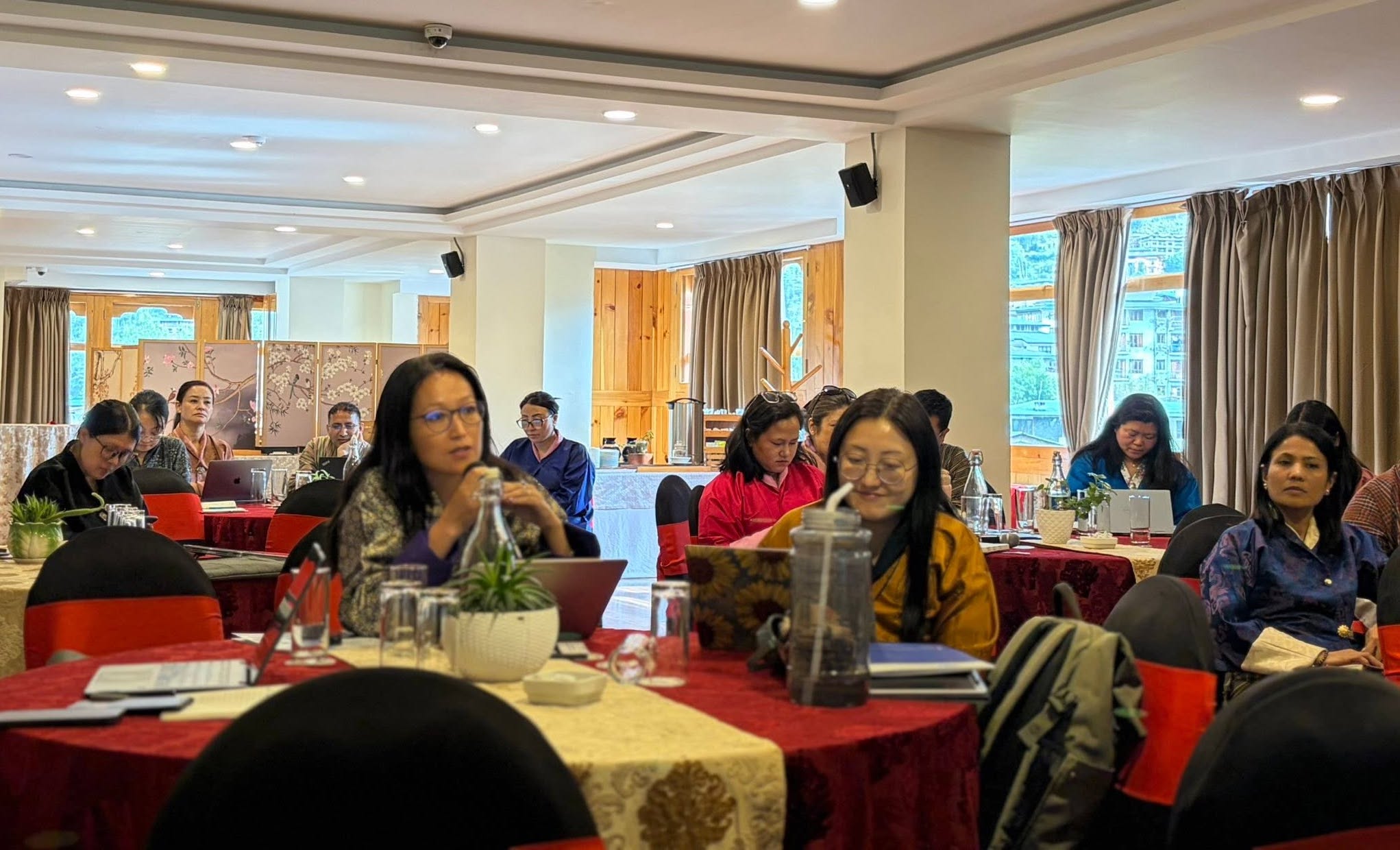
Participants explored how neuroscience and mindfulness can influence leadership and emotional intelligence, how organisational culture shapes workplace behaviour, and how effective communication can strengthen teams.
They also examined communication styles and team dynamics, explored the use of artificial intelligence, and reflected on agility, adaptability and anticipatory governance.
For participants, the sessions offered an opportunity not only to learn new tools, but also to step back from their day-to-day responsibilities and look at their organisations from a different perspective.
“RIGSS had further opened our eyes, especially in building a stronger team, strengthening our systems, and creating greater institutional impact,” participants said.
The diversity of experiences among the participants was another important part of the learning.
By sharing challenges, experiences and approaches from their respective organisations, the executives found common ground and developed connections that could continue beyond the programme.
Taking the learning home
For a leadership programme to make a difference, however, the real test begins after the participants return to their organisations.
That was also the message from the CSOA Member Secretary.
In his closing remarks, Sherub Dorji urged the executives to translate what they had learned into practical action within their organisations.
“I encourage all the participants to lead with collaboration, professionalism, excellence, and leadership, and to carry forward stronger governance, accountability, and institutional sustainability within your own organisations.”
The call comes at an important time for Bhutan’s civil society sector, where organisations are increasingly required to strengthen governance, remain financially and institutionally sustainable, adapt to a changing operating environment and demonstrate greater impact.
The programme therefore placed emphasis not only on individual leadership, but also on the systems, culture and relationships that enable organisations to perform effectively.
‘Much to reflect on, and much to put into practice’
Participants said the experience had broadened their strategic thinking and helped them better understand some of the leadership challenges they face.
They particularly appreciated the faculty at RIGSS, whose experience and perspectives challenged them to think differently about leadership and organisational effectiveness.
“Their perspectives have left us with much to reflect on and, more importantly, much to put into practice,” participants reflected.
A faculty member, meanwhile, reminded the executives that the value of the programme would ultimately be measured by what they do with the knowledge they have gained.
“It has been an absolute privilege and a great pleasure for me to interact with this cohort,” the faculty member said, expressing confidence that the participants would apply the knowledge, strategies and reflections gained during the programme in their respective organisations.
The faculty member also offered a broader reminder:
“Whatever tasks we undertake in our respective fields, when executed with full dedication, integrity, and excellence, it is a profound act of nation-building and a service to our country.”
From individual growth to institutional impact
The LDP-1 was designed around a simple but important idea: stronger leaders can help build stronger organisations.
For the 21 executives, the programme provided a space to examine their own leadership approaches, understand their teams better, strengthen organisational systems and consider how their organisations can create greater impact.
Now, the challenge is to carry those lessons beyond the training room.
The certificates awarded on August 14 mark the completion of the first cohort.
For the participants, however, they may also mark the beginning of a different kind of leadership journey – one in which the lessons from five days of learning are translated into stronger teams, better governance, more resilient organisations and greater service to communities.







Leave a Reply