
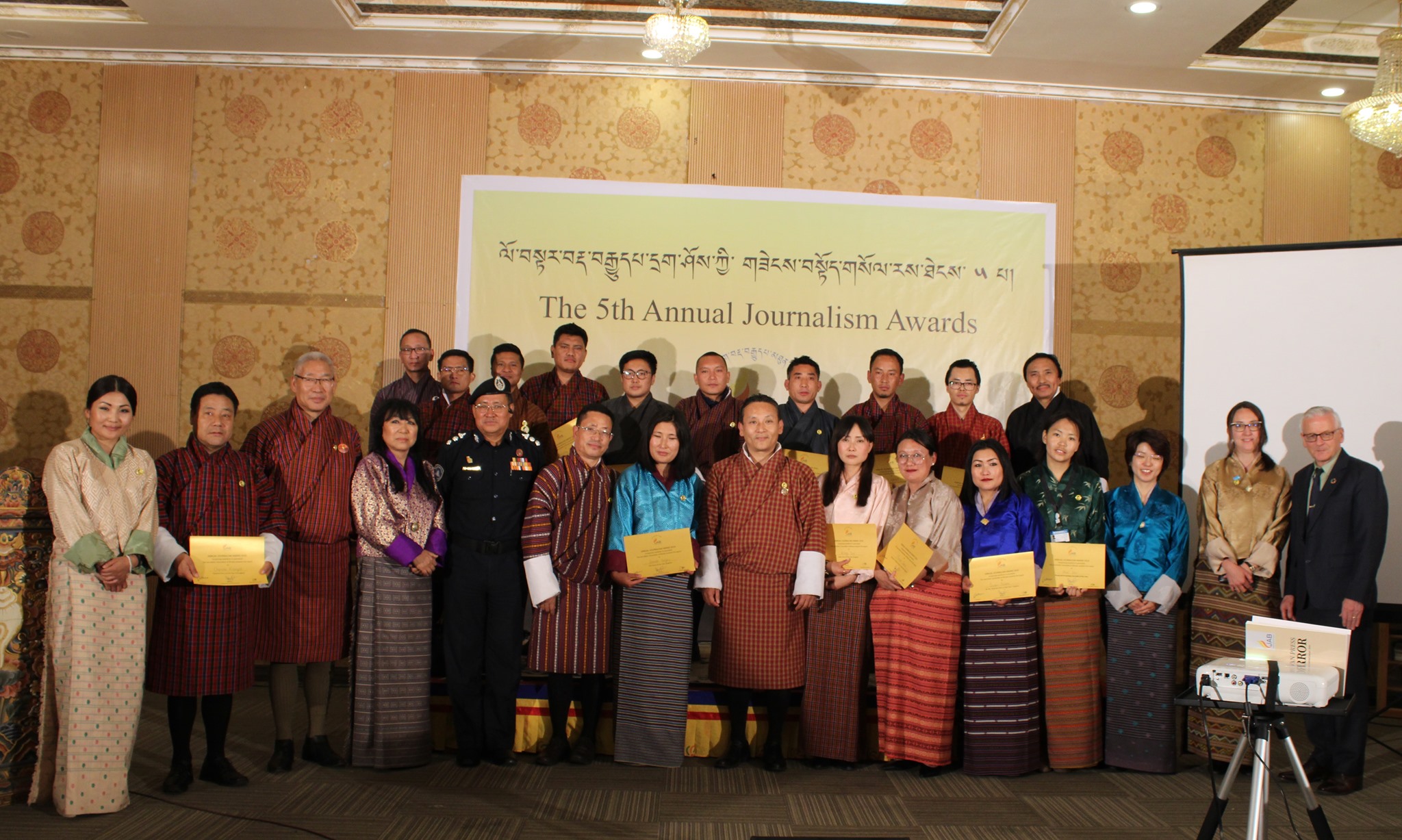
THIMPHU – In a significant effort to promote in-depth, accurate, and impactful journalism, eleven journalists have been awarded reporting grants to strengthen coverage of climate change and environmental issues across various regions in Bhutan.
The initiative seeks to better reflect the country’s rapidly changing environmental landscape and the growing challenges faced by its communities and ecosystems.
With financial and editorial support, the selected journalists are now working on field-based stories that highlight pressing environmental concerns, raise public awareness, and encourage informed dialogue on climate action and sustainable development. Their reporting is expected to shed light on complex issues ranging from industrial waste and river erosion to agricultural transformation and invasive species.
The grants were awarded under the project “Building the Capacity of Bhutanese Journalists for Climate Change and Environment Reporting” as part of its Phase II activities. The initiative is supported by the Australian government through the Regional Media Support Fund and implemented by ABC International Development and Journalists’ Association of Bhutan (JAB).
In the initial round, JAB evaluated 16 applications comprising 22 print and seven digital story pitches. Following careful review and discussion, the jury selected five stories for support. Many of the submitted proposals did not meet the required standards or lacked sufficient storytelling strength and relevance. As a result, only five pitches were approved in the first phase.
The selected grantees and their stories were:
Mr Yam Kumar, Kuensel – Mandarins on the Move: How Climate Change is Redrawing Bhutan’s Citrus Map.
Mr Sherab Dorji, Business Bhutan – The Billion-Ngultrum Handshake: How Pasakha’s Industries are Financing Climate Adaptation.
Ms Tenzin Lhaki, Bhutan Times – Pasakha Industrial Estate: Managing Waste at Bhutan’s Largest Industrial Hub
Ms Sonam Chuki, The Bhutanese – Giant African Land Snail (GALS) Remains a Pressing and Unresolved Issue in Parts of Eastern Bhutan
Mr Rinchen Dorji, Editor-at-Large, Bhutan Times – Building Against the Raging Amochhu River.
Given the limited number of qualifying pitches, the jury decided to re-announce the call for proposals to fill the remaining slots. On January 28, JAB invited applications for five additional print story pitches and one digital pitch. The deadline for submission was initially set for February 10, 2026, with applicants reminded to ensure their proposals demonstrated a strong climate change angle and broader geographical and thematic scope, rather than focusing narrowly on a single community.
Responding to requests from journalists who attended the second cohort training, JAB extended the application deadline from January 28 to February 2, 2026, allowing applicants more time to refine their ideas. Preference in the second round was given to fresh issues and new perspectives that expanded the conversation around climate and environmental reporting.
Following the reannouncement, a total of 18 revised story pitches—13 print and five digital—were resubmitted with stronger climate angles and broader scope. From these, six additional journalists were selected for reporting grants.
The second round of selected grantees and their stories are:
Kezang Choden (Bhutan Today) – From Local Action to National Attention: Gangtey-Phobji’s Fight Against Waste.
Til Bahadur Ghalley (Bhutan Times) – Dust, Climate, and Livelihoods: The Hidden Cost of Cement Factory in Bhutan.
Chencho Dema (Kuensel) – How Rising Land Surface Temperatures are Reshaping Farming and Water Security.
Dawa Zangmo (Bhutan Times) – Sand Mining Erodes Punatsangchu: Bridges and Farmland at Risk.
Tashi Tshewang (Bhutan Today) – Tham Bdr Rai, Lokchina Gewog Gup: Lokchina Gewog.
Dechen Wangdi (Freelance, Digital) – Living on the Edge of the Amochhu.
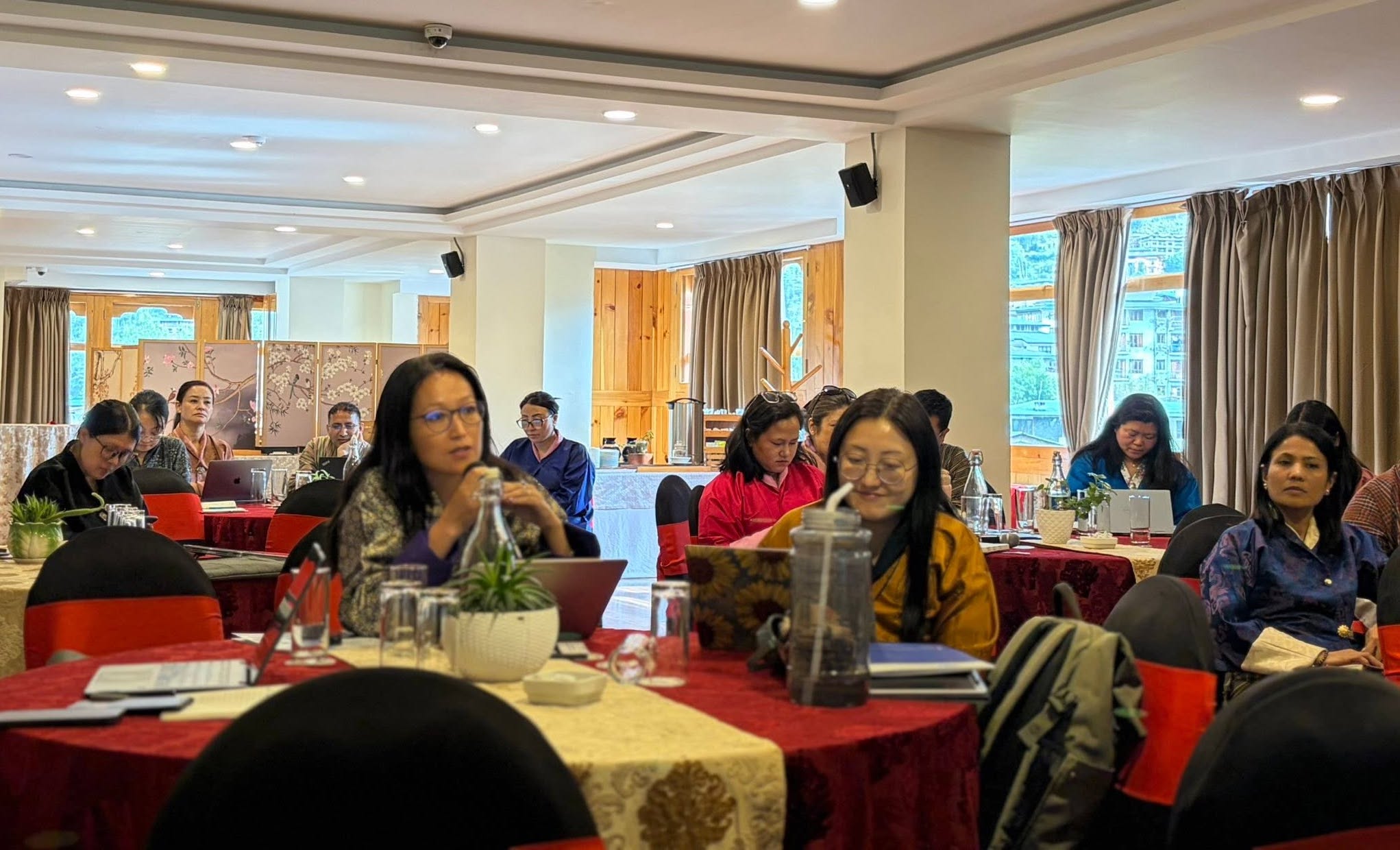
As with the first cohort, the six journalists selected in the second round will receive reporting grants along with editorial guidance to produce comprehensive, field-based stories. The deadline for submission of all grant-supported stories has been set for March 24.
Through this initiative, JAB and its partners aim to elevate the standard of climate and environmental journalism in Bhutan, ensuring that public discourse is informed by credible reporting and grounded in the lived realities of communities across the country.








Leave a Reply